Blog
Showing 1–10 of 10 posts
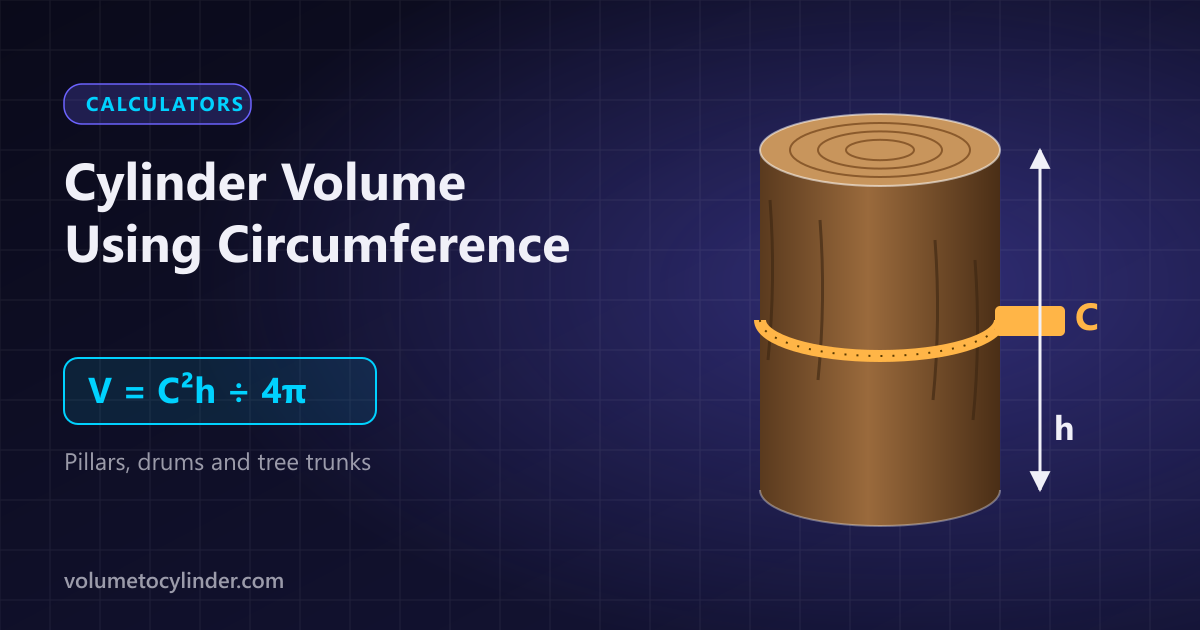
Volume of a Cylinder Using Circumference
Find cylinder volume from circumference with V = C²h ÷ 4π. Includes the derivation, a pillar and a tree trunk example, measuring tips and practice.
Read More →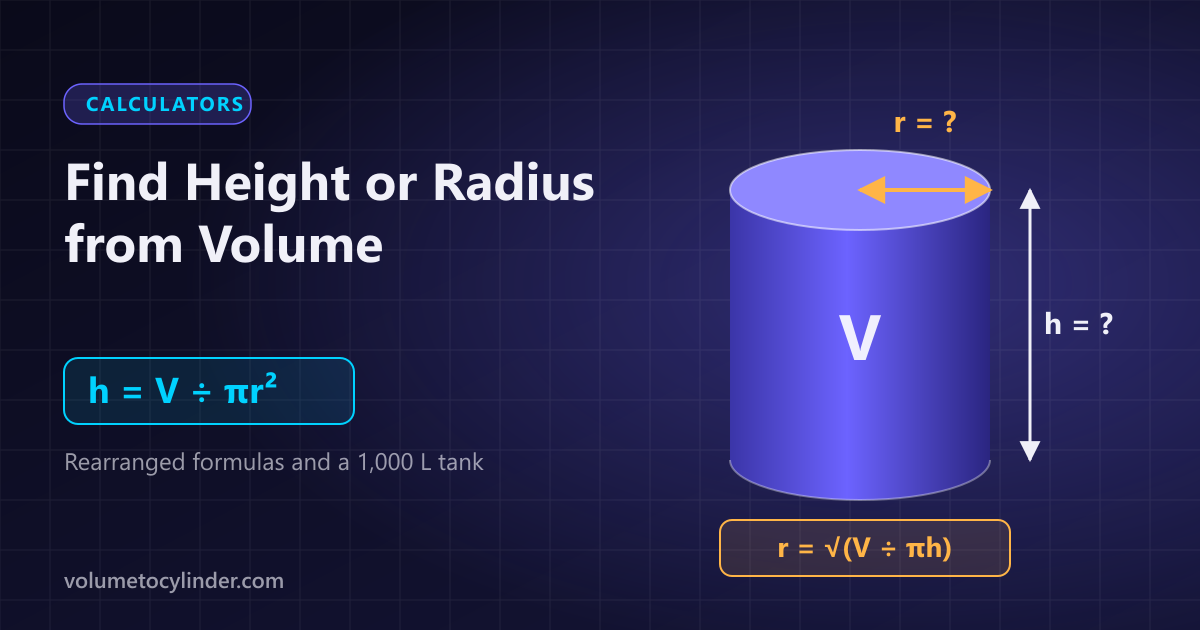
Finding Height or Radius from the Volume of a Cylinder
Find a cylinder's height with h = V/(πr²) and its radius with r = √(V/πh). Worked examples, a 1,000 L tank design and unit pitfalls.
Read More →
Volume of a Cylinder: Worked Examples and Practice Questions (with Answers)
19 cylinder volume practice questions at 4 levels, plus GCSE, Class 8/9 and Grade 7 exam questions with full worked solutions and a free PDF worksheet.
Read More →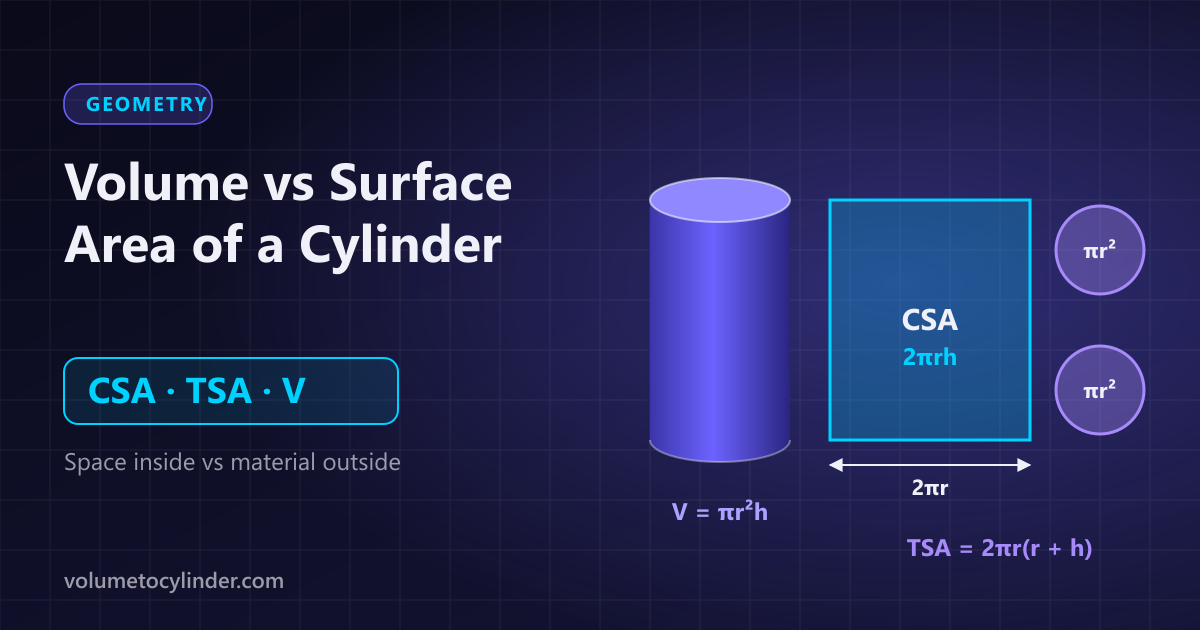
Volume vs Surface Area of a Cylinder (CSA, TSA and Volume)
Volume (πr²h) measures space inside a cylinder; CSA (2πrh) and TSA (2πr(r + h)) measure the outside. Compare all three with examples.
Read More →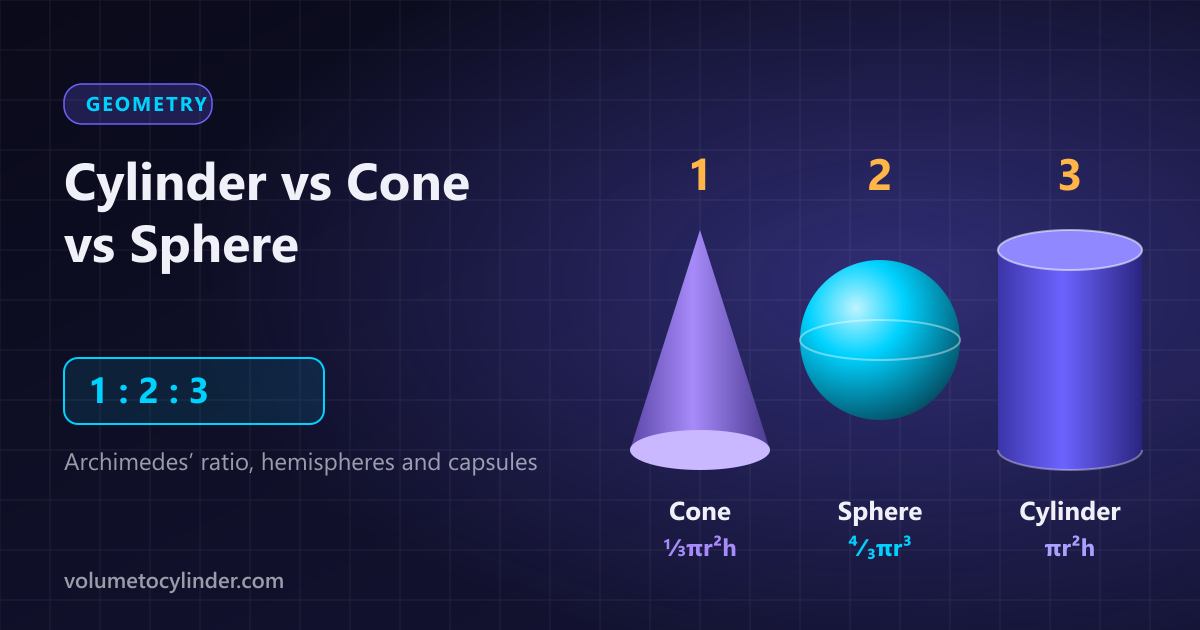
Cylinder vs Cone vs Sphere: How Their Volumes Compare
A cone holds one-third of a matching cylinder and a sphere fills two-thirds. See the 1:2:3 ratio, hemispheres, capsules and worked examples.
Read More →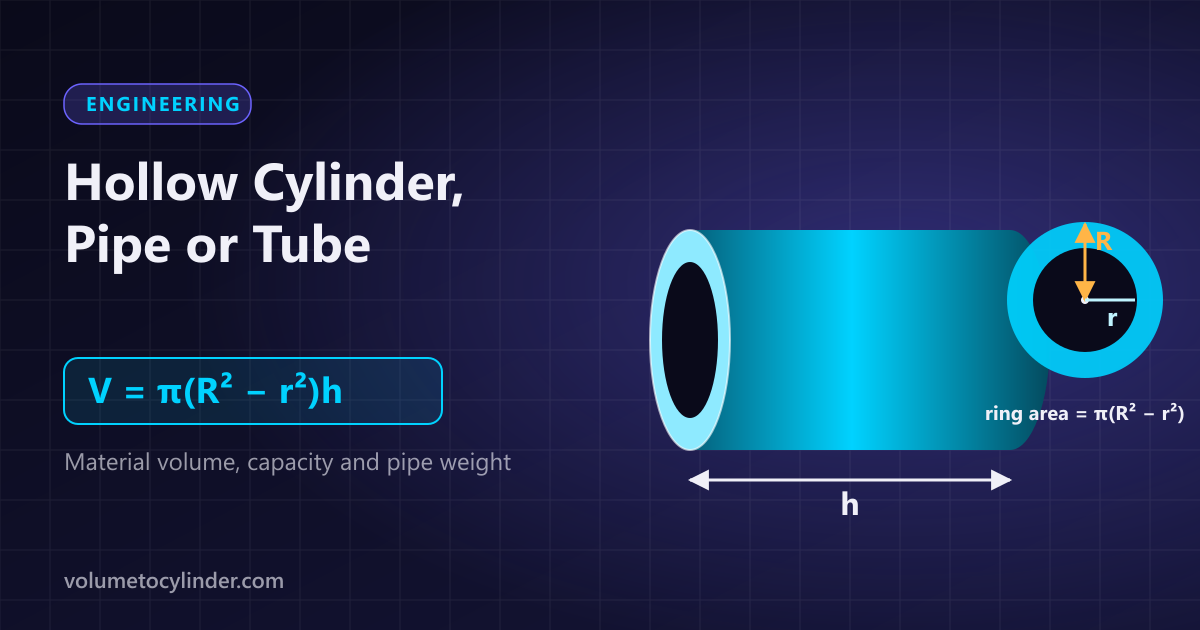
Volume of a Hollow Cylinder, Pipe or Tube
The volume of a hollow cylinder is V = π(R² − r²)h. Use radii, diameters or wall thickness, with PVC pipe, washer and steel pipe weight examples.
Read More →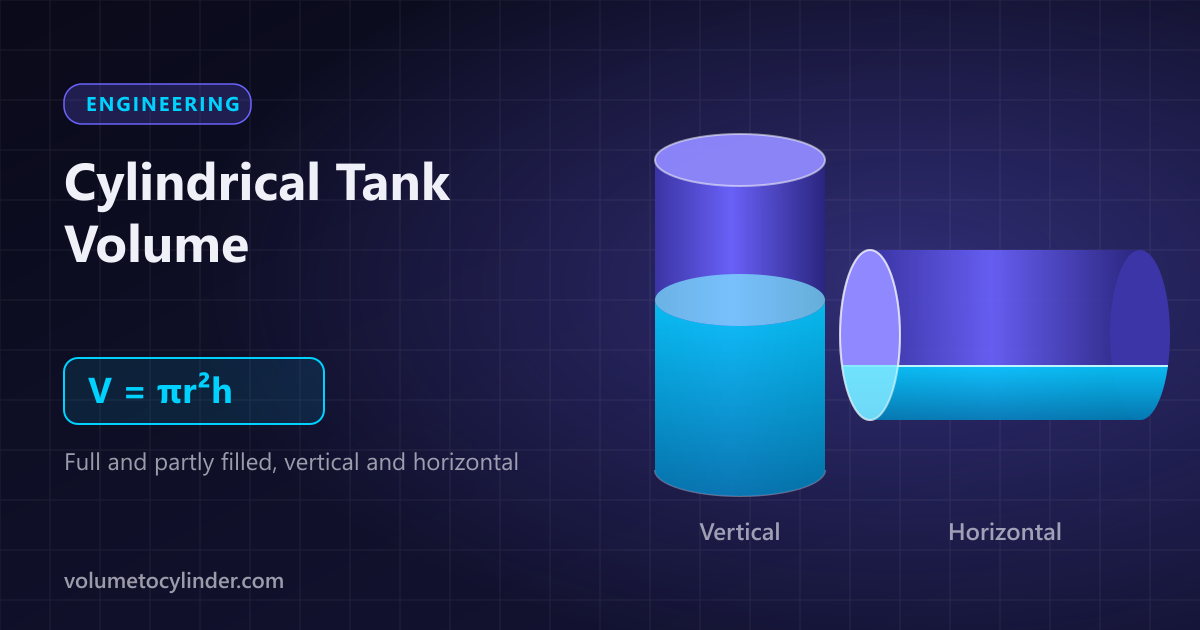
How to Calculate the Volume of a Cylindrical Tank (Vertical and Horizontal)
Calculate cylindrical tank volume for full and partly filled vertical and horizontal tanks, with a dipstick example and a fill chart in litres.
Read More →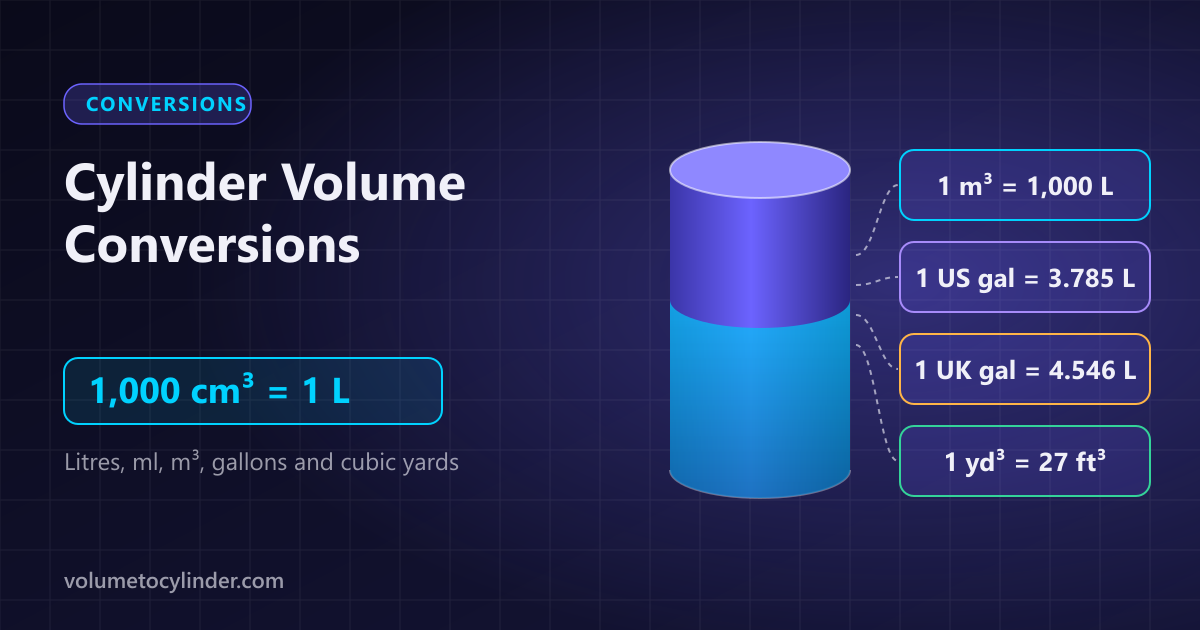
Cylinder Volume Conversions: Litres, Gallons, m³, ml and Cubic Yards
Convert cylinder volume between cm³, litres, ml, m³, US and UK gallons and cubic yards, with a full table, worked examples and volume to weight.
Read More →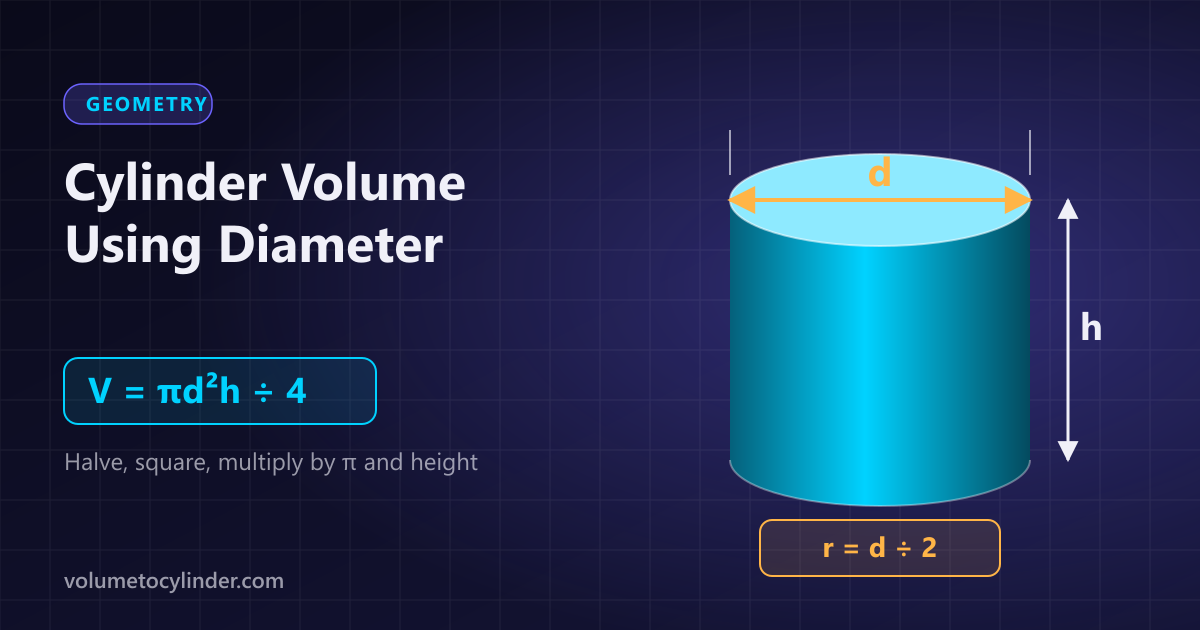
How to Find the Volume of a Cylinder Using Diameter
Find the volume of a cylinder from its diameter with V = πd²h/4. Step-by-step method, pipe example, a diameter table and the mistake to avoid.
Read More →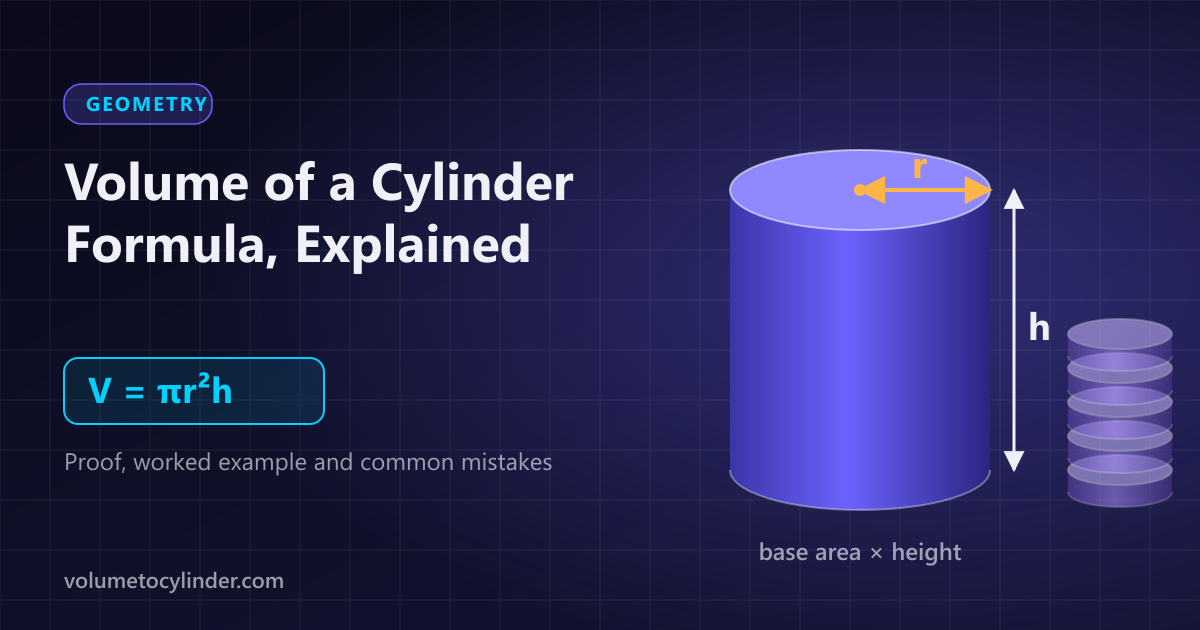
Volume of a Cylinder Formula (V = πr²h), Explained with Proof
The volume of a cylinder is V = πr²h. See what each part means, why the formula works, a worked example, units, common mistakes and practice.
Read More →